
20 Beige Living Room Ideas That Feel Warm, Not Boring
Beige gets a bad reputation it doesn’t really deserve. Done right, it’s one of the most flexible colors you can build a living room around — it plays well with wood, brass, black, and just about every accent color you’d want to try. The trick is knowing how to layer it so the room feels rich instead of flat.
If you’ve ever walked into a beige room and felt nothing, that’s usually a styling problem, not a color problem. This list of 20 beige living room ideas covers the details that actually make the difference: texture mixing, contrast, lighting, and the small design choices that separate “boring” from “inviting.” Let’s get into it.
1. Layer Different Shades of Beige
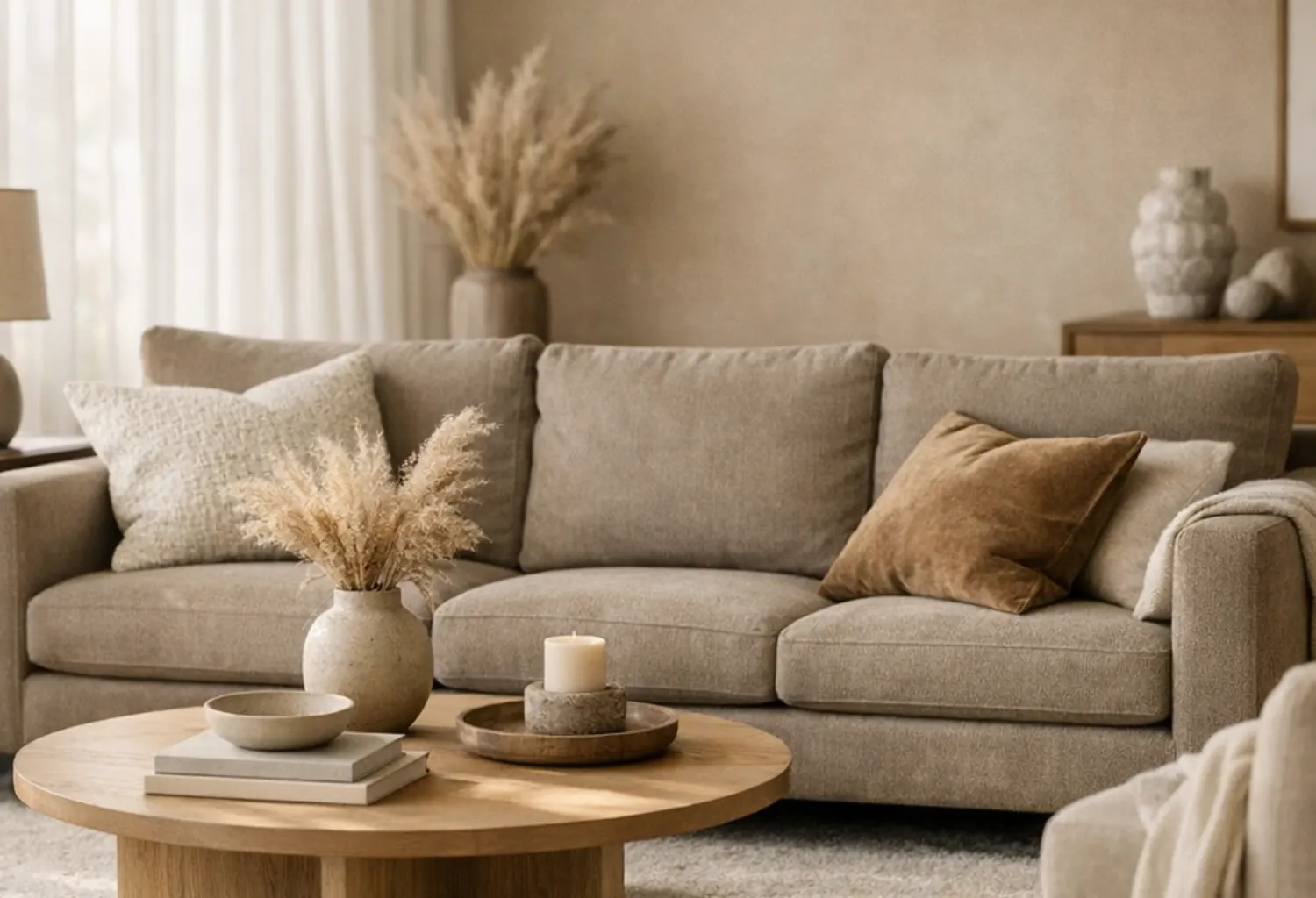
A single flat shade of beige is where most rooms go wrong. Instead, mix warmer sandy tones with cooler putty or greige tones across your walls, furniture, and textiles. Think of it like layering neutrals the way you’d layer an outfit — a taupe sofa against warmer wheat-colored walls, with a cream area rug tying it together. The slight variation in undertone keeps the eye moving instead of letting the whole room blur into one flat wall of color.
2. Add Texture With Woven Fabrics

Texture does the heavy lifting when your color palette is quiet. Bring in bouclé throw pillows, a chunky knit blanket, a woven jute rug, or linen curtains to give the room depth you can actually feel. Rattan and wicker accent pieces work especially well here too, since their natural texture reads as warm and lived-in rather than sterile. The goal is a room you want to touch, not just look at.
3. Contrast With Black Accents

Beige needs a grounding element, and black does that better than almost anything else. A black metal coffee table, matte black picture frames, or slim black candlestick holders give the eye somewhere to land. Even one black lamp base can sharpen an entire seating area. This small contrast keeps a beige living room from tipping into “too soft” and gives it some visual structure.
4. Bring In Warm Wood Tones
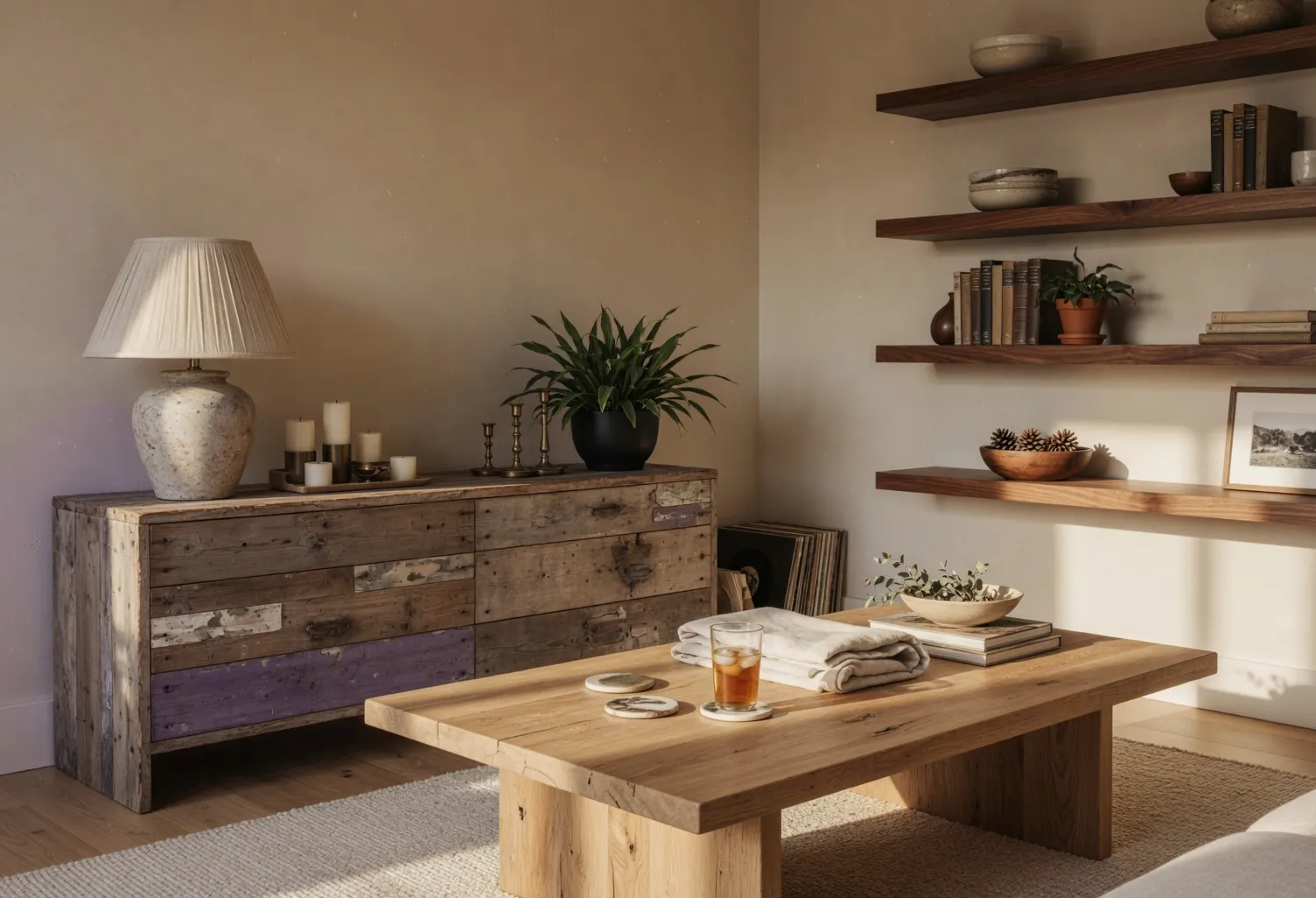
Wood and beige are a natural pairing because they share similar warm undertones. Oak coffee tables, walnut shelving, or a reclaimed wood console add richness without introducing a new color to manage. If your furniture is already beige or cream, wood grain becomes the main source of visual interest in the room, so don’t be afraid to mix a few different wood tones rather than matching everything exactly.
5. Use a Neutral Sectional as the Anchor

A big beige sectional works as a foundation piece precisely because it doesn’t compete with anything. It gives you room to change up pillows, throws, and art without ever having to replace the biggest investment in the room. Look for a fabric with a slight texture, like a bouclé or chenille weave, so the sofa itself has some visual interest even before you style around it.
6. Mix In Cream and Ivory Textiles

Cream and ivory sit close enough to beige to feel cohesive but still add subtle tonal shift. A cream throw over a beige armchair, or ivory linen curtains against sandy walls, creates gentle contrast without breaking the neutral palette. This layering trick is especially useful in smaller living rooms, where too much color variation can make the space feel busy or chopped up.
7. Add a Statement Rug

A patterned or textured rug is one of the easiest ways to add personality to a beige living room without touching your walls or furniture. A vintage-style Persian rug in muted tones, a chunky wool rug with subtle striping, or even a jute rug with a herringbone weave can define the seating area and give the floor some visual weight. Since it’s the largest surface in the room after the walls, it has outsized impact on how “finished” the space feels.
8. Incorporate Greenery for Contrast
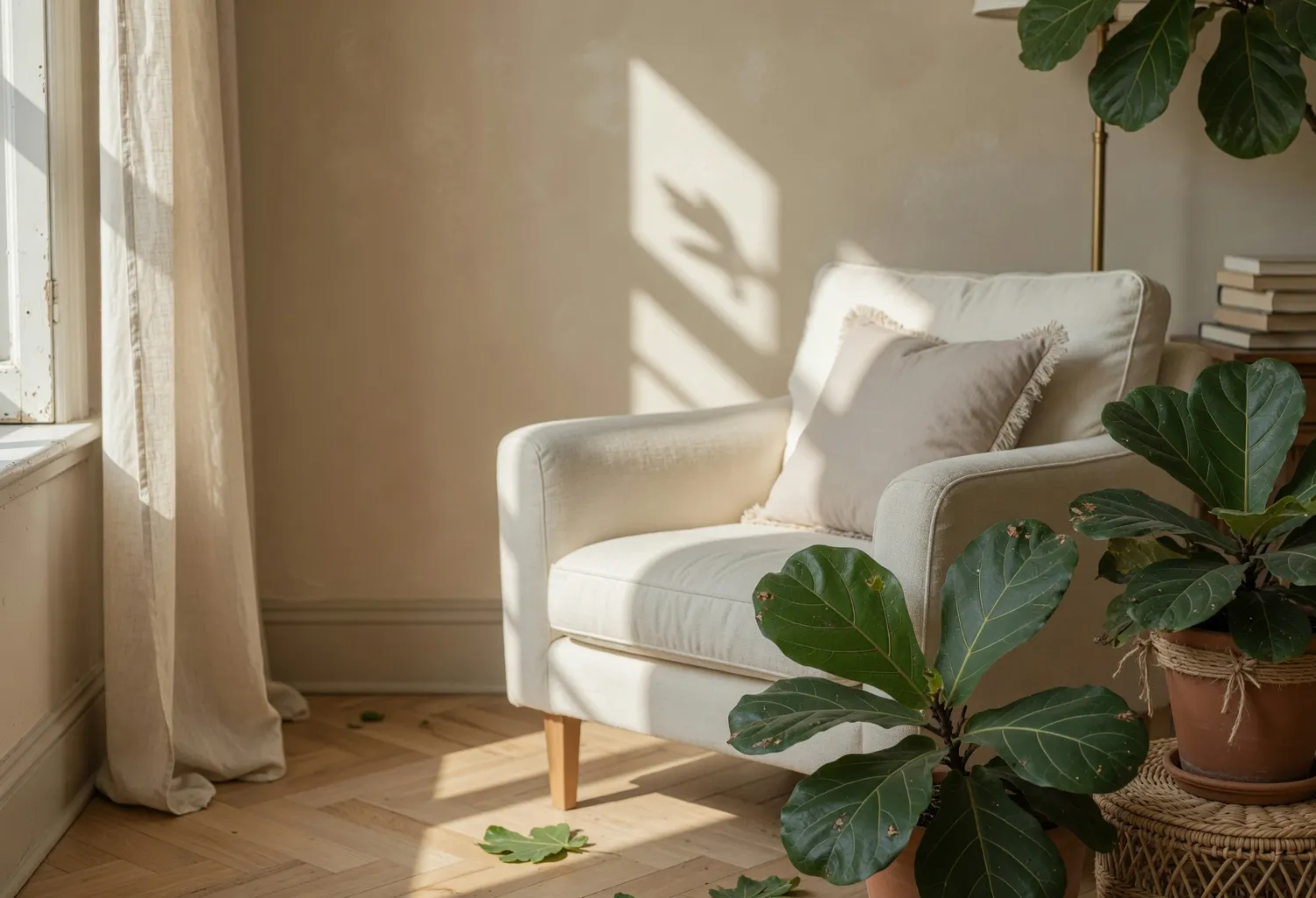
Plants are one of the few additions that instantly wake up a neutral room. The green against beige creates natural contrast that never feels forced, and it softens hard edges on furniture and shelving. A large fiddle leaf fig or olive tree in the corner works well for filling empty space, while smaller potted plants on side tables or bookshelves add life at eye level. Even faux plants do the job if natural light is limited.
9. Layer Curtains and Blinds

Combining sheer curtains with wood blinds or woven shades gives your windows depth and a bit of function too. Sheers let soft light filter through during the day, while a solid layer offers privacy and blocks glare in the evening. In a beige living room, this layering also softens the transition between wall and window, so the space doesn’t feel like it’s just stopping at a hard edge.
10. Use Brass or Gold Hardware

Metallic accents in warm tones — brass, gold, or aged bronze — pair beautifully with beige because they share the same warm undertone family. A brass floor lamp, gold-framed mirror, or bronze drawer pulls on a media console add a touch of polish without feeling flashy. These small metallic details catch the light and give the room a subtle glow, especially in the evening.
11. Add Art With Earthy Tones

Wall art grounded in terracotta, rust, olive, or warm browns gives a beige room a focal point that still feels harmonious. Abstract landscape prints, textured fiber wall hangings, or framed botanical sketches all work well here. Skip anything overly bright or cool-toned, since it’ll fight against the room’s warm base rather than complementing it. One or two larger pieces usually read better than a cluttered gallery wall in a neutral space.
12. Try a Beige and White Color Block

Pairing beige with crisp white creates a clean, airy feel that still stays warm thanks to the beige undertones. White trim against beige walls, or a white sofa paired with beige throw pillows, gives the eye a break and keeps the room from feeling heavy. This combination works especially well in living rooms with lower natural light, since the white keeps things from feeling dim or closed in.
13. Add Woven Baskets for Storage

Baskets aren’t just practical — they add texture and warmth while solving the everyday problem of blanket and toy storage. A woven seagrass basket next to the sofa or stacked baskets on open shelving fit naturally into a beige living room’s palette. They’re also an easy, low-cost way to bring in texture if you’re not ready to commit to bigger furniture changes yet.
14. Use Dimmable Lighting

Beige rooms rely heavily on light to look their best, since flat overhead lighting can wash out the subtle tonal variation you’ve worked to create. Dimmable floor lamps, table lamps, and even a dimmer switch on your overhead fixture let you adjust the mood and highlight texture in the evening. Warm-toned bulbs (around 2700K) work better here than cool white ones, which can make beige look gray and lifeless.
15. Add a Patterned Throw Pillow

A single patterned pillow — stripes, subtle geometric prints, or a woven texture pattern — can break up a sea of solid beige without overwhelming the room. Stick to earthy colors like rust, olive, or soft brown so the pattern still feels connected to the overall palette. This is one of the cheapest, lowest-commitment ways to test out adding more visual interest before making bigger changes.
16. Incorporate a Vintage or Antique Piece

One older or vintage item — a weathered wood trunk used as a coffee table, an antique mirror, or a worn leather chair — adds character that a beige room can otherwise lack. New furniture in matching tones can start to feel a little showroom-like after a while, and a single vintage piece breaks that pattern. It doesn’t need to be expensive; even a thrifted find with some age and patina does the job.
17. Use Textured Wall Treatments

If flat beige walls feel a little lifeless, consider a textured finish like limewash, venetian plaster, or grasscloth wallpaper. These treatments add subtle depth and variation in tone that flat paint simply can’t achieve, catching light differently throughout the day. Even a single accent wall with a textured finish can transform how the whole room feels, without requiring you to introduce any new color.
18. Add a Leather Accent Chair

Leather in cognac, caramel, or saddle brown tones pairs beautifully with beige and introduces a slightly more masculine, grounded feel. A single leather accent chair breaks up an otherwise soft, fabric-heavy room and gives it some visual weight. As leather ages, it also develops a natural patina that adds even more character over time, which fits well with the relaxed, lived-in feel a beige living room is going for.
19. Use Ceramic and Stone Decor

Ceramic vases, stone bookends, and travertine side tables add another layer of natural texture that complements beige without competing with it. These materials tend to share the same warm, earthy undertones, so they blend in rather than standing out. Grouping a few different textures together — like a stone vase next to a ceramic bowl — on a coffee table or shelf creates a small styled vignette that feels intentional rather than cluttered.
20. Balance With a Dark Accent Wall

If an all-beige room feels too monochromatic for your taste, one dark accent wall in charcoal, deep espresso, or forest green can anchor the space dramatically. This works especially well behind a sofa or fireplace, where it frames the seating area without overwhelming the rest of the room. The contrast makes the beige furniture and textiles pop even more than they would against another light wall, giving the whole room more depth.
Conclusion
A beige living room doesn’t have to feel flat or forgettable — it just needs the right mix of texture, contrast, and warmth to come alive. Whether you start small with a woven throw and a few plants, or go bigger with a textured accent wall and vintage furniture, these beige living room ideas give you plenty of ways to build a space that feels calm, inviting, and distinctly yours. Pick two or three ideas that fit your current setup, and let the room evolve from there.
