
25 Dining Room Decor Ideas to Transform Your Space
Your dining room shouldn’t be the room everyone walks past on the way to the kitchen. Yet in so many homes, it becomes the default storage spot for mail, backpacks, and whatever doesn’t have a home yet. If you’re searching for dining room decor ideas, chances are you’re ready to reclaim this space and turn it into somewhere people actually want to linger.
The truth is, a great dining room doesn’t require a total gut renovation or a designer’s budget. Small, intentional changes—layered with a few bolder moves—can completely shift how the room feels and functions. Below are 25 practical ideas to help you build a dining room that feels warm, pulled-together, and genuinely yours.
1. Statement Lighting Fixture

Nothing anchors a dining room quite like the light fixture hanging above the table. A chandelier, linear pendant, or oversized dome fixture instantly draws the eye upward and signals that this is a designed space, not an afterthought. Size matters here—as a general rule, the fixture should be roughly one-third the width of your table and hung about 30 to 34 inches above the surface. If you’re working with a smaller room, don’t shy away from a bold shape; a striking silhouette in brass, black iron, or woven rattan can make even a compact dining area feel intentional.
2. Layered Table Centerpiece
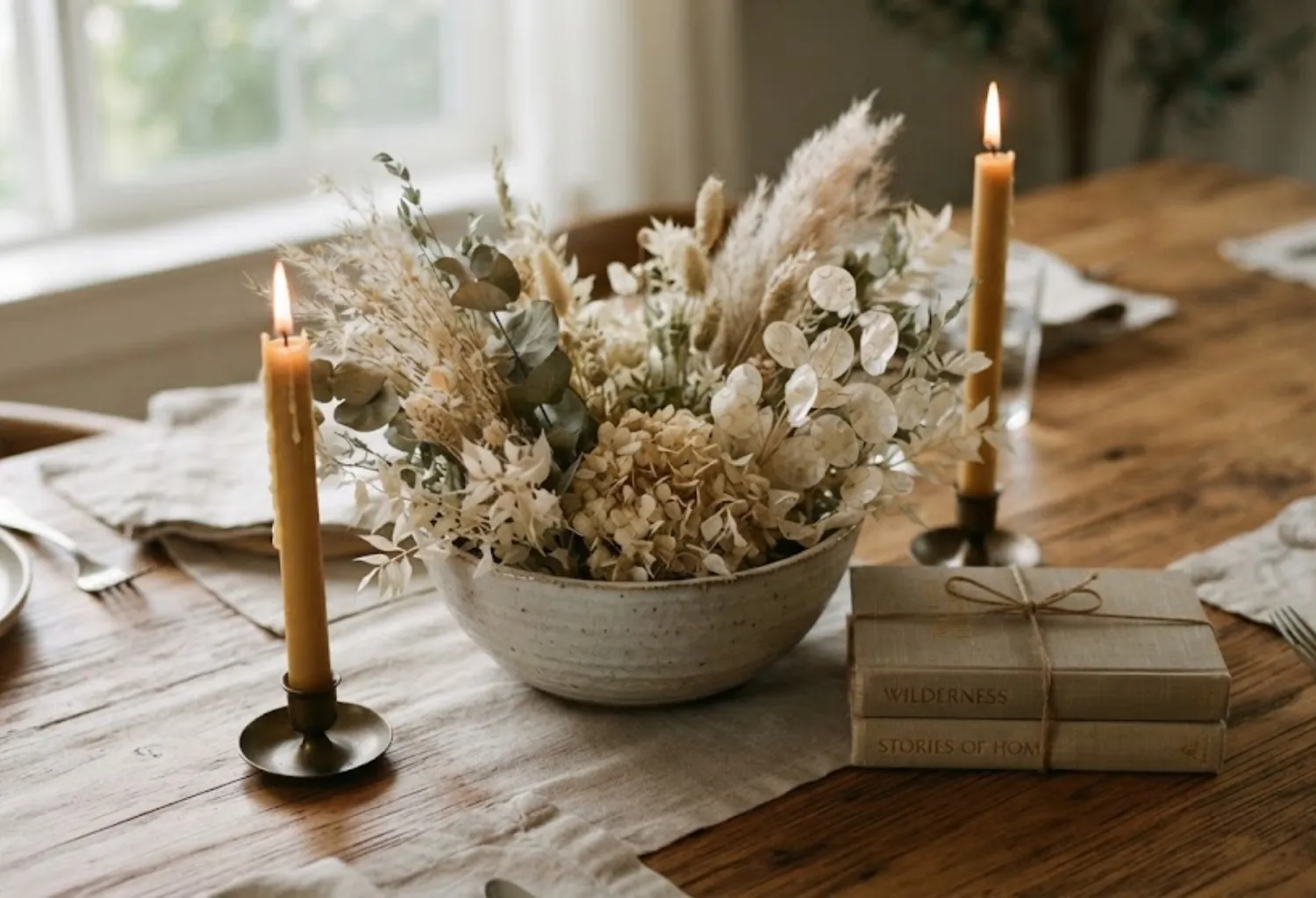
A single vase in the middle of the table can look a little lonely. Layering your centerpiece—mixing heights, textures, and shapes—creates visual interest without overwhelming the space. Try grouping a low ceramic bowl with a taper candle or two, then add a small stack of books or a scattering of dried florals for texture. The key is keeping everything low enough that guests can still see each other across the table, since anything taller than 12 inches tends to block conversation.
3. Gallery Wall Above the Buffet
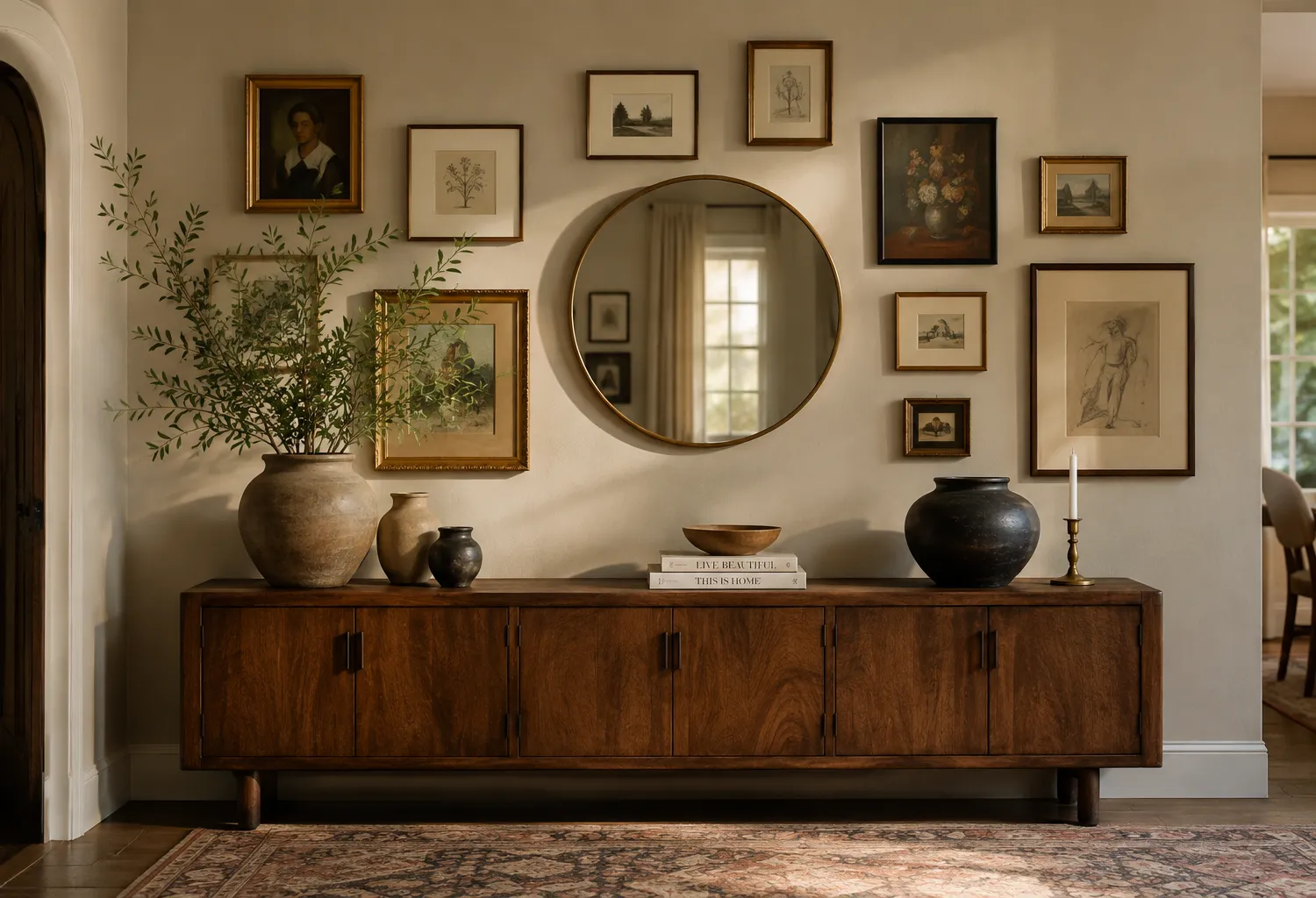
If you have a buffet, credenza, or sideboard against one wall, the empty space above it is prime real estate for a gallery wall. Mix framed art, mirrors, and even a few textile pieces for dimension rather than sticking to uniform frames in a rigid grid. This is also a great spot to rotate in seasonal pieces or family photos without disrupting the rest of your dining room decor. Keep the bottom of the arrangement about 6 to 8 inches above the furniture so it feels connected, not floating.
4. Bold Accent Wall

An accent wall gives your dining room a focal point and instant personality, whether you go with color, wallpaper, or textured paneling. Deep, moody tones like forest green, navy, or terracotta work particularly well in dining rooms since these spaces are typically used in the evening under warm lighting. If painting feels risky, peel-and-stick wallpaper in a botanical or geometric print offers the same impact with an easier reversal down the road. Just pick one wall—usually the one behind the table or buffet—so the color reads as intentional rather than accidental.
5. Mixed Dining Chairs

Matching chair sets are safe, but mismatched or mixed seating gives a dining room a collected-over-time feel that’s harder to fake. Try pairing wood chairs with two upholstered captain’s chairs at the ends of the table, or mix in a bench on one side for a more relaxed, family-friendly vibe. The trick to making mixed seating look intentional rather than mismatched is sticking to a common thread—same wood tone, same color family, or same general silhouette—so the variety feels curated.
6. Textured Area Rug
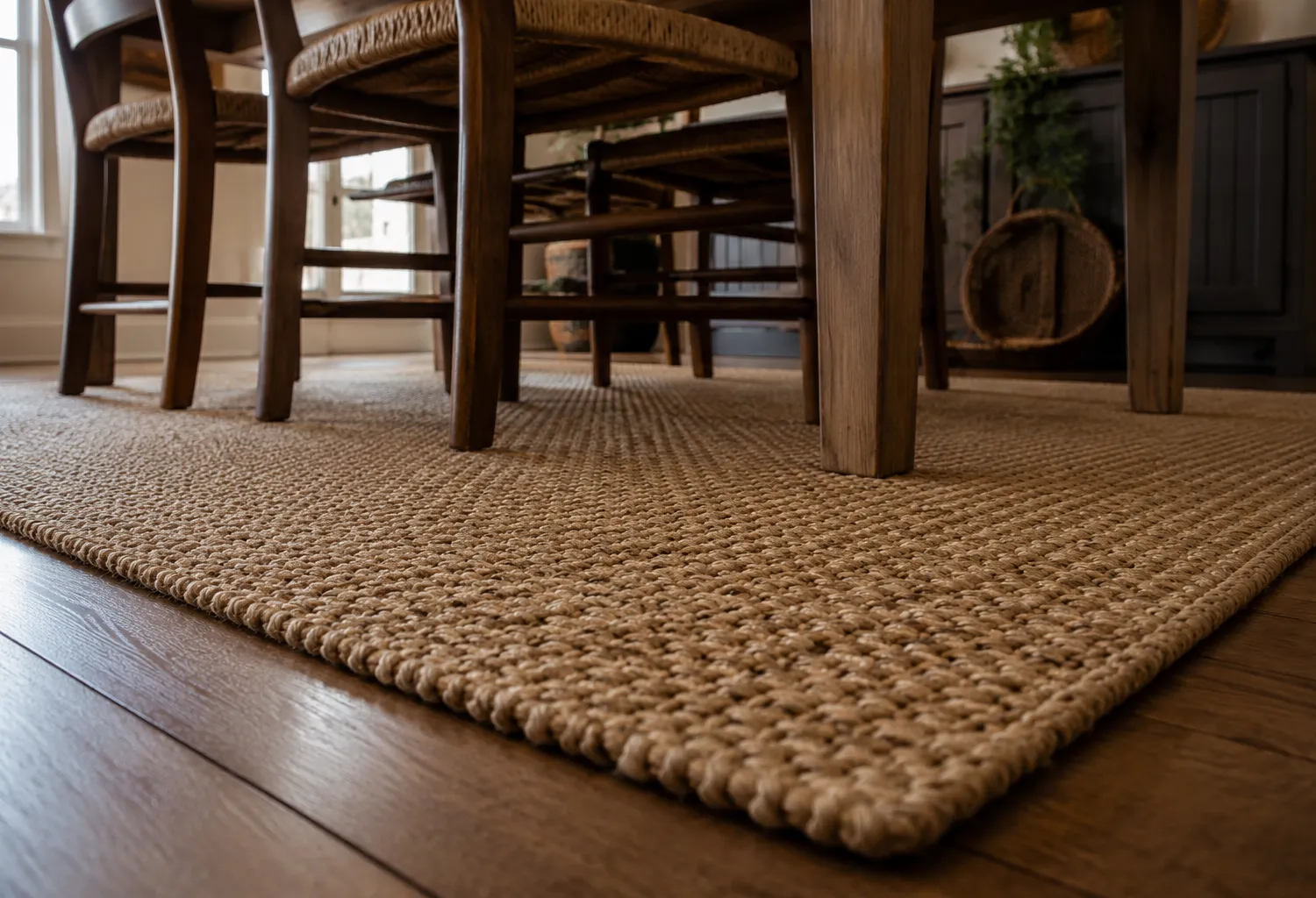
A rug under the dining table does more than protect your floors; it defines the space and adds warmth underfoot. Choose a size that allows chairs to stay on the rug even when pulled out, which usually means adding at least 24 inches of rug beyond each side of the table. Low-pile materials like flatweave wool or jute are more practical than shag styles, since they won’t catch chair legs or trap crumbs. A patterned rug can also hide the inevitable spills that come with everyday dining.
7. Open Shelving Display

Open shelves in a dining room give you a place to display dishware, glassware, and decorative objects without the bulk of closed cabinetry. Floating shelves flanking a window or filling an awkward corner work particularly well, especially when styled with a mix of stacked plates, small plants, and a few books turned spine-in for texture. Keep the arrangement a little loose and asymmetrical rather than perfectly even—real shelves rarely look like a showroom, and that’s part of the charm.
8. Statement Mirror

A well-placed mirror does double duty in a dining room: it bounces light around the space and makes a smaller room feel noticeably larger. Positioning one across from a window is especially effective, since it reflects natural light back into the room throughout the day. Oversized round or arched mirrors are having a moment and work well leaned against a wall or hung above a buffet, adding both function and a sculptural decor element without competing with your table setup.
9. Layered Window Treatments

Bare windows can leave a dining room feeling stark, especially at night when there’s nothing to soften the glass. Layering sheer curtains with a heavier drapery panel gives you flexibility—sheers for daytime privacy and light diffusion, heavier fabric for evening coziness and a finished look. Choose curtain rods that extend a few inches beyond the window frame on each side, which makes windows appear wider and lets in more natural light when the panels are open.
10. Wallpapered Ceiling

If your walls already feel busy or you want a decor idea that surprises people, look up. A wallpapered or painted ceiling—sometimes called a “fifth wall”—turns an overlooked surface into a design feature. Soft florals, subtle stripes, or even a deep solid color overhead can make a dining room feel cozier and more enveloping, especially in rooms with limited wall space for art. This works particularly well in smaller, more formal dining rooms where you want a dramatic, jewel-box effect.
11. Built-In or Freestanding Bar Cart

A bar cart adds both function and personality to a dining room, giving guests a self-serve spot for drinks during dinner parties. Brass and glass carts lean traditional, while matte black or wood versions feel more relaxed and modern. Style it with a mix of bottles, a few glasses, and a small tray for garnishes or coasters, and don’t overfill it—leaving some breathing room on the cart keeps it looking styled rather than cluttered.
12. Fresh or Faux Greenery

Plants bring life into a dining room, softening hard surfaces like wood tables and tile floors. A tall floor plant in an empty corner, such as a fiddle leaf fig or olive tree, adds height and draws the eye upward, while smaller potted herbs or trailing pothos work well on a buffet or windowsill. If natural light is limited or you travel often, high-quality faux greenery has come a long way and can deliver the same visual softness without the maintenance.
13. Table Runner Instead of Tablecloth

A table runner is a simple swap that adds texture and color without fully covering your table’s natural wood grain or finish. Linen runners in neutral tones work for everyday use, while a patterned or seasonal runner can quickly update the look for holidays or dinner parties. Layering a runner over a solid tablecloth also gives you more flexibility to change the room’s feel without buying new pieces every time you want a refresh.
14. Pendant Lights Instead of a Chandelier

If a traditional chandelier feels too formal for your space, a cluster of pendant lights offers a more modern, casual alternative. Three matching pendants hung in a row above a long table create a clean, linear look, while a single oversized pendant works well over round or square tables. This dining room decor idea is especially popular in open-concept homes, where the pendant style can echo lighting used elsewhere in the kitchen for a cohesive flow.
15. Decorative Plates as Wall Art

Hanging decorative plates on the wall is an old-school approach that’s making a genuine comeback, and it’s an easy way to add color and pattern without committing to framed art. Mix different sizes and patterns for a curated, eclectic look, or stick to a single color palette for something more restrained. This works especially well above a buffet or on an otherwise empty wall, and it’s a great way to display vintage or inherited china that’s too pretty to keep hidden in a cabinet.
16. Statement Dining Table
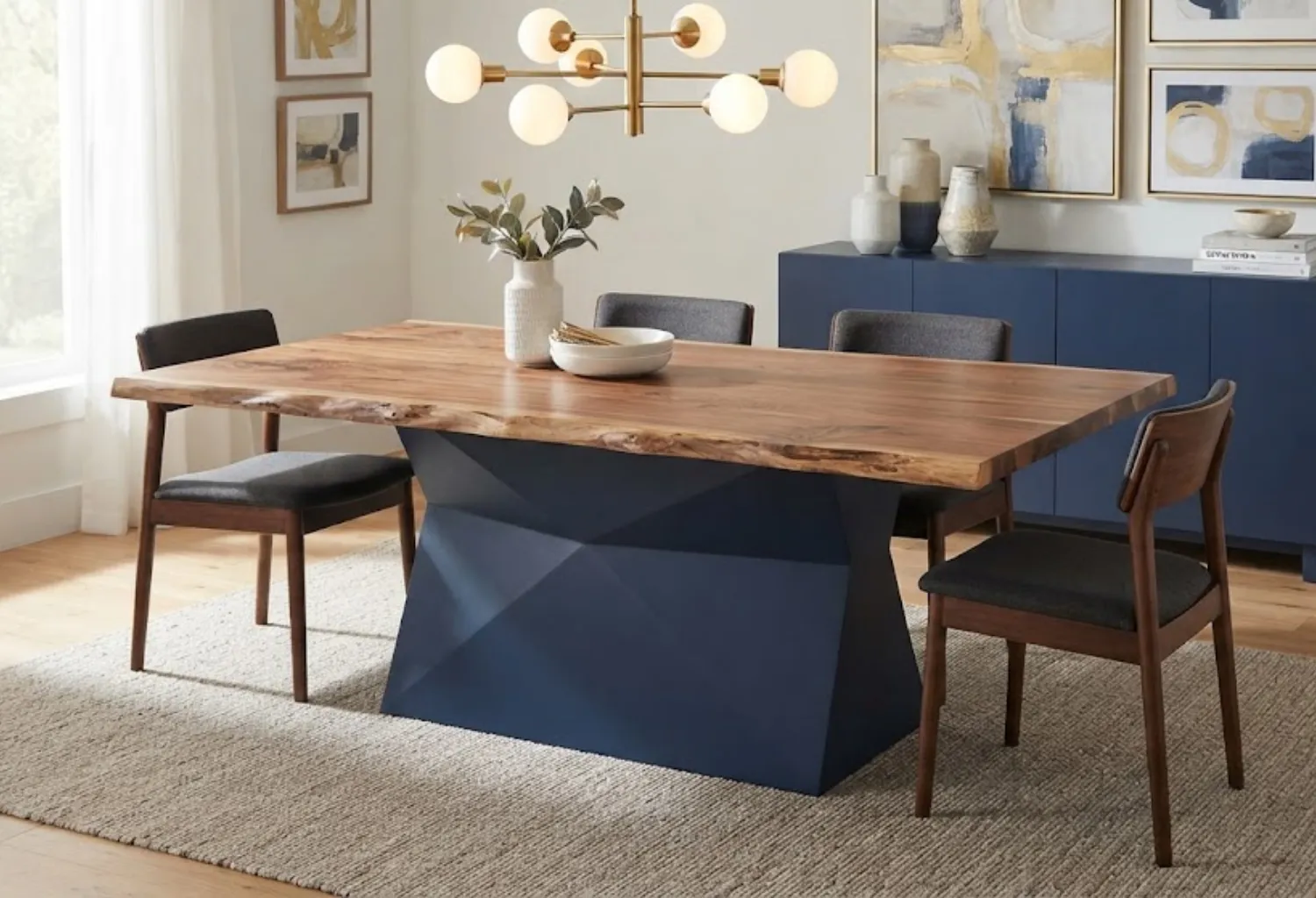
Sometimes the best decor upgrade is the table itself. A live-edge wood table, a marble-topped design, or a bold painted base can become the room’s focal point without any additional styling required. If a full table replacement isn’t in the budget, refinishing or repainting an existing table—especially the base—can give it a completely different look for a fraction of the cost.
17. Wainscoting or Wall Paneling

Wainscoting, board-and-batten, or shiplap paneling adds architectural interest to a dining room that might otherwise feel flat. Painted in a crisp white or a moody color that matches the walls above it, paneling gives the room a more finished, custom-built feel. This is a particularly good option for dining rooms with plain, builder-grade walls, since the added texture reads as high-end without requiring major structural changes.
18. Curated Bookshelf Styling
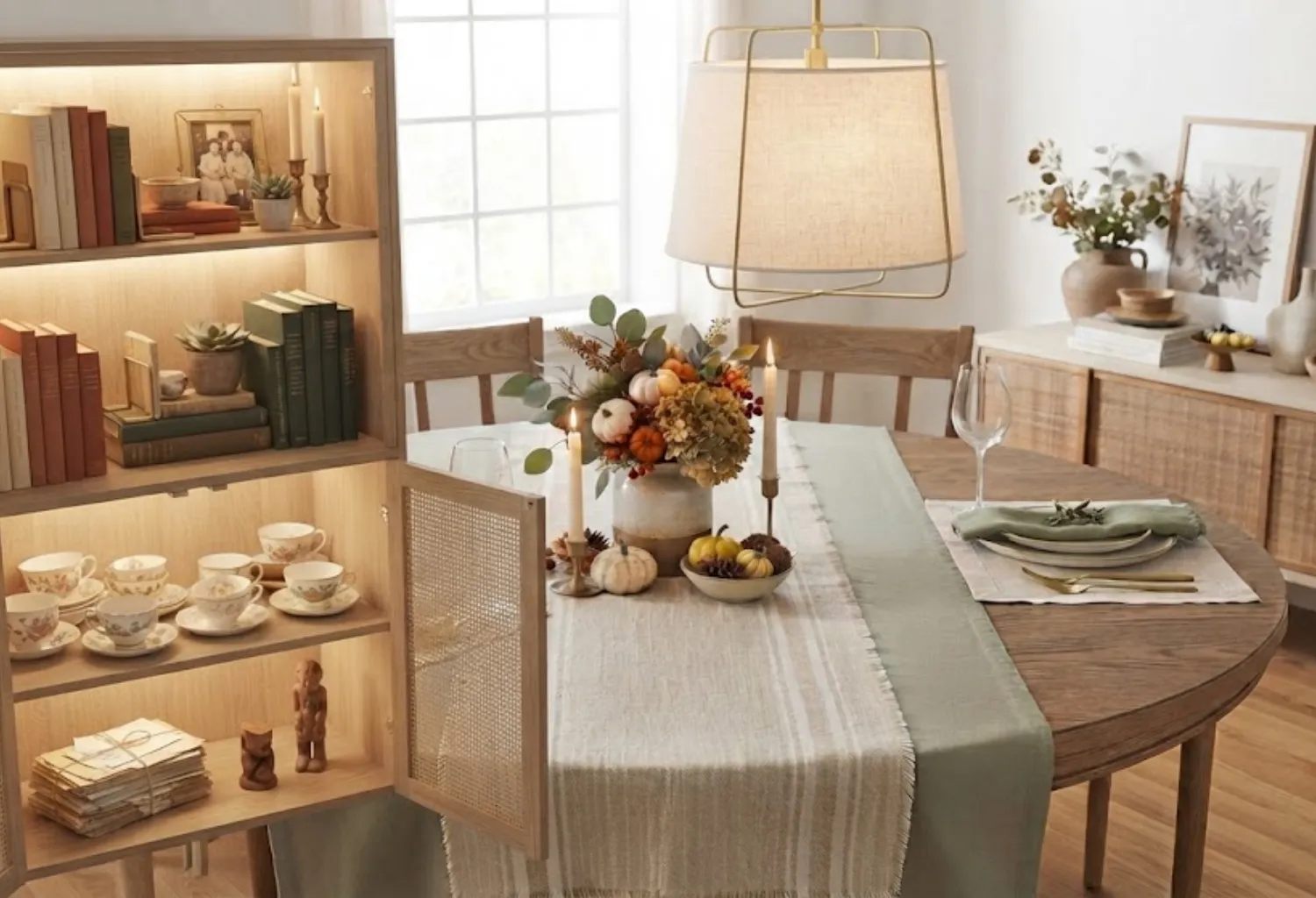
If your dining room includes a built-in shelf or a freestanding bookcase, use it to tell a small visual story rather than just storing overflow items. Group books by color or size, add a few decorative bookends, and tuck in small objects like candles, bowls, or framed photos between stacks. This kind of styled shelving adds warmth and personality, making the room feel lived-in rather than staged for a magazine shoot.
19. Seasonal Tablescape Rotation
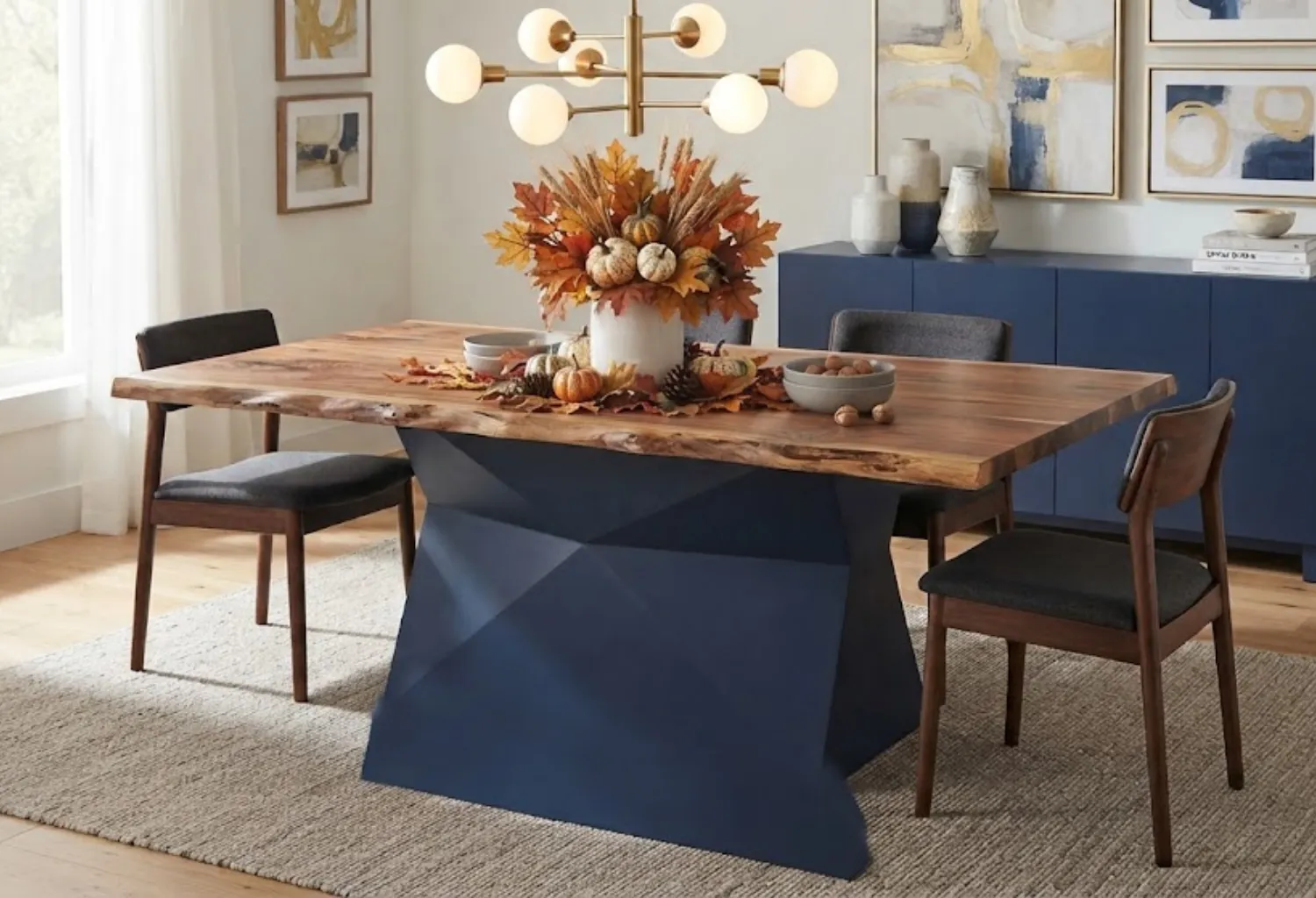
Rather than keeping the same centerpiece year-round, build a simple rotation that changes with the seasons. Swap in pumpkins and dried wheat in the fall, evergreen sprigs and candles in winter, or fresh tulips and pastel linens in spring. This doesn’t require a big investment—a few seasonal add-ins layered over your everyday centerpiece pieces keep the table feeling fresh without a full redesign every few months.
20. Woven or Natural Textures
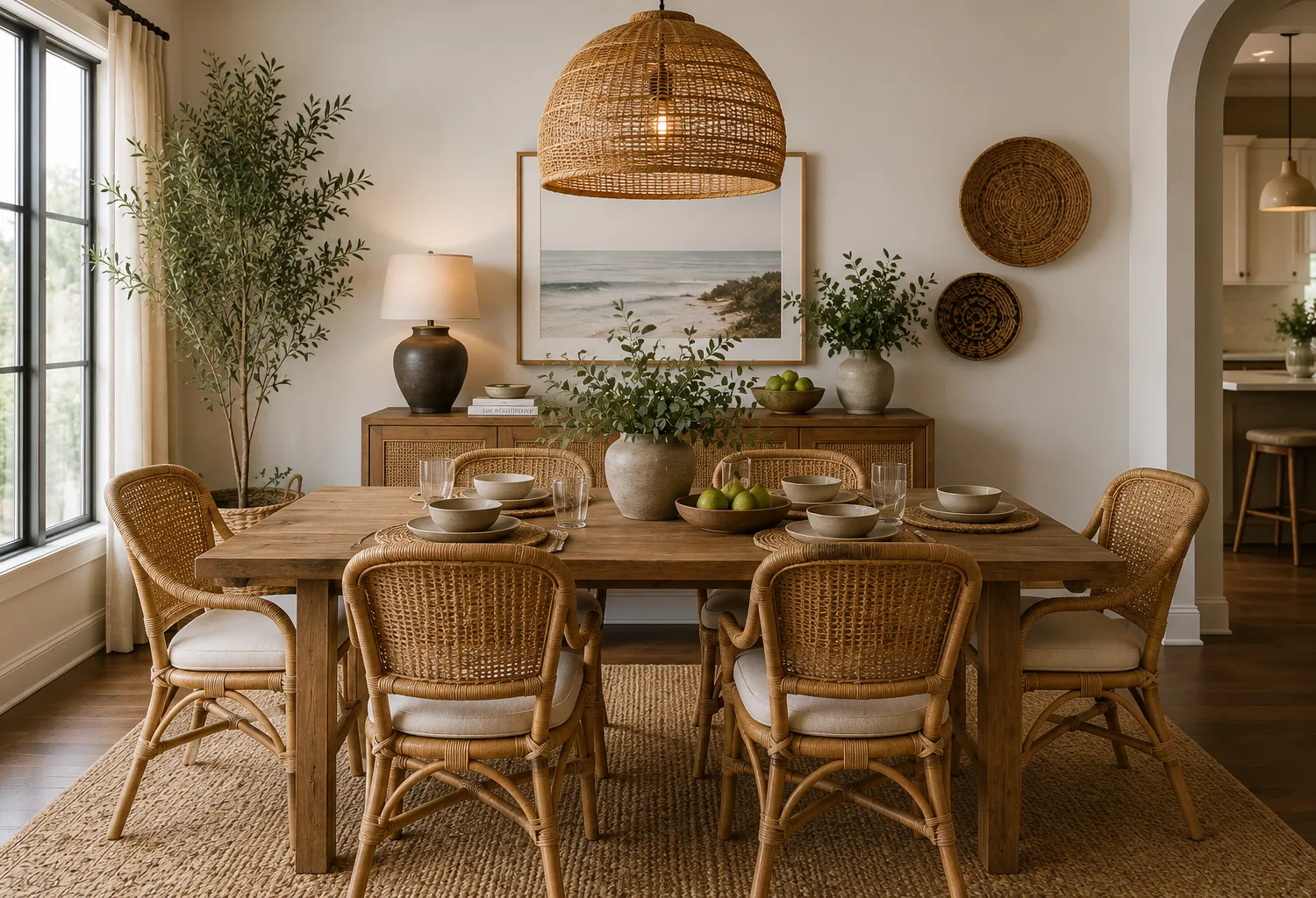
Incorporating natural materials like rattan, jute, wicker, and woven wood brings warmth and tactile interest into a dining room, especially one dominated by hard surfaces like wood floors and tile. Rattan chairs, a woven pendant shade, or seagrass placemats all introduce texture without adding visual clutter. This approach works particularly well in dining rooms that lean coastal, boho, or organic modern in style.
21. Framed Art Grouping Over the Table
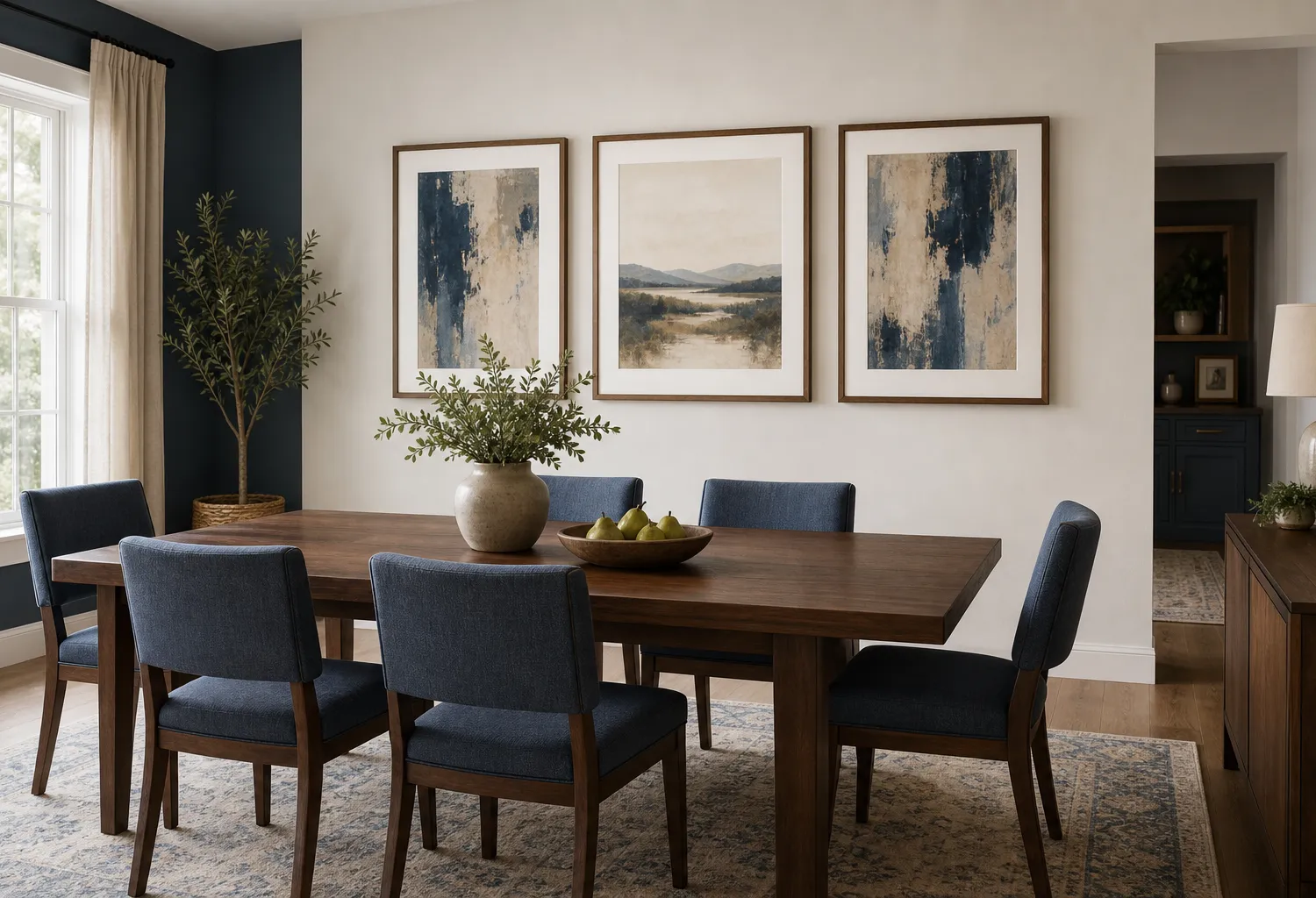
While a gallery wall often goes above a buffet, a smaller, more focused art grouping can also work directly above the dining table itself, especially in rooms without an overhead light fixture as the main focal point. Two or three larger pieces in matching frames create a calmer, more intentional look than a scattered gallery arrangement. Choose art with colors that echo something else in the room, like the chair upholstery or an accent wall, to tie the whole space together.
22. Corner Display Cabinet
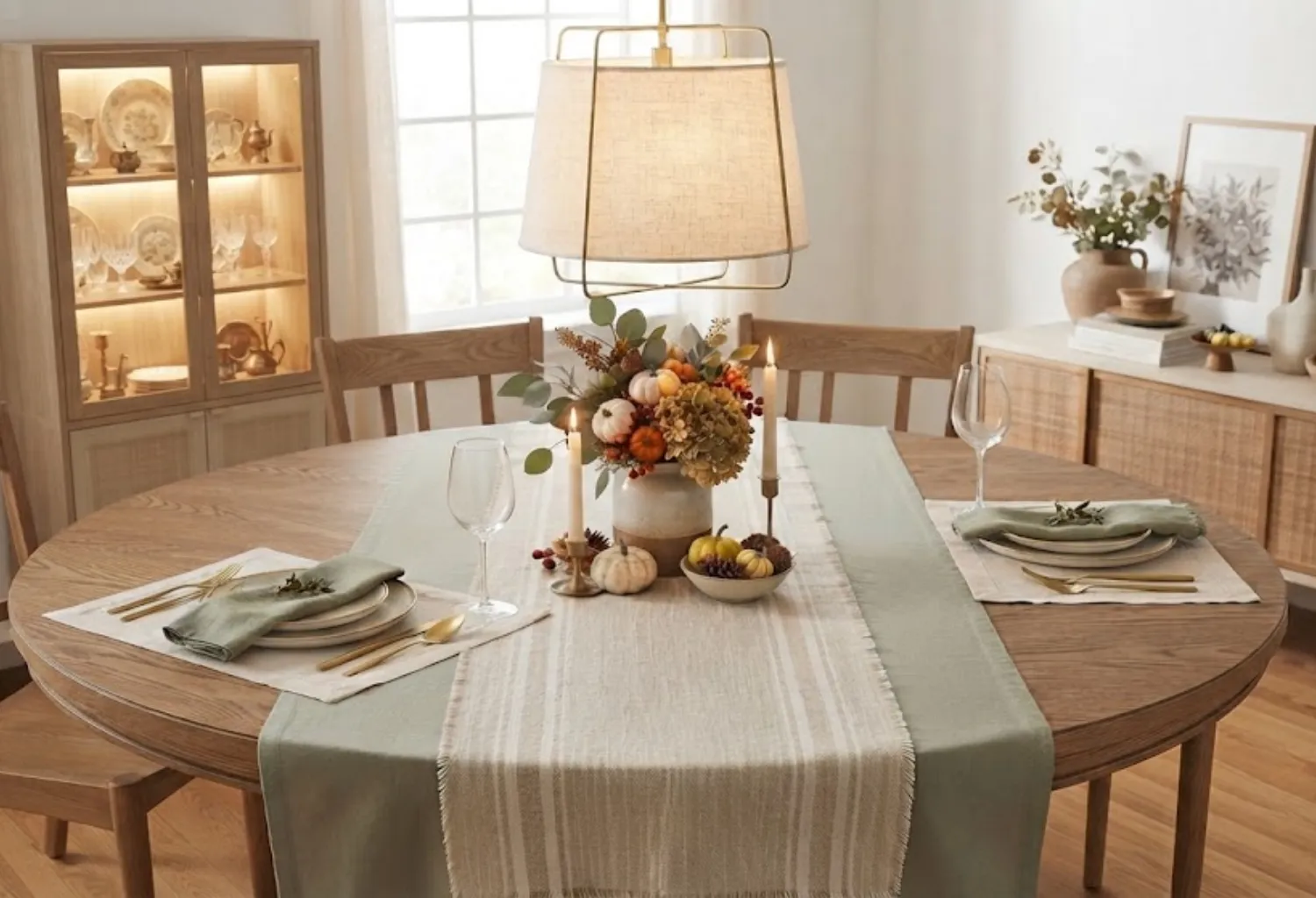
A corner cabinet or hutch makes use of otherwise wasted space while giving you a dedicated spot to display china, glassware, or collected objects. Glass-front cabinets let you show off your pieces while keeping them protected from dust, and interior lighting inside the cabinet adds a soft glow that doubles as ambient lighting for the room. This is an especially practical dining room decor idea for older homes with awkward, underused corners.
23. Layered Lighting with Wall Sconces

Relying on a single overhead fixture can leave a dining room feeling flat or overly bright. Adding wall sconces on either side of a buffet, mirror, or window introduces a second light source that softens the overall ambiance, especially when paired with a dimmer. This layered approach mimics the kind of lighting you’d find in a restaurant—warm, flattering, and adjustable depending on whether it’s a casual weeknight dinner or a dinner party.
24. Personal Touches and Collected Objects

The dining rooms that feel most inviting are usually the ones with a few personal, non-matchy details—a hand-thrown pottery bowl from a trip, a vintage candlestick from a flea market, or artwork made by a family member. These pieces don’t need to coordinate perfectly with the rest of your decor; in fact, a little imperfection is what makes the space feel real rather than showroom-staged. Resist the urge to buy everything as a matched set, and instead let a few meaningful objects anchor the room over time.
25. Functional Storage That Doubles as Decor

A dining room often ends up as catch-all storage for linens, extra dishware, or serving pieces, so choosing furniture that’s both functional and good-looking matters. A sideboard with closed storage keeps clutter out of sight while providing a surface for styling, and a bar cart or open shelf can handle everyday items you actually want on display. When storage pulls double duty as decor, the room stays organized without sacrificing the polished look you’ve worked to create.
Conclusion
A well-decorated dining room doesn’t happen overnight, and it doesn’t require every idea on this list. Start with the elements that make the biggest visual impact for your space—lighting, a rug, or a fresh coat of paint—and layer in smaller details like a centerpiece or gallery wall as you go. These dining room decor ideas are meant to be a starting point, not a checklist, so pick what feels right for how you actually use the space and let the room evolve from there. Whether you’re hosting big family dinners or just want a nicer spot for weeknight meals, small, thoughtful changes add up to a room that finally feels finished.
