30 Cozy Dining Room Decor Ideas for a Warm, Inviting Space
A dining room can feel cold or unfinished even when the furniture is right. The difference often comes down to lighting, texture, color, and a few thoughtful details. These 30 Cozy Dining Room Decor ideas cover everything from warm lighting and layered textiles to natural materials, comfortable seating, and simple seasonal touches.
1. Warm Pendant Lighting

A warm pendant light can instantly make a dining room feel more intimate. Choose a fixture with a soft finish, such as woven material, aged metal, or frosted glass. Hang it low enough to create a cozy focal point without blocking conversation across the table.
2. Soft Neutral Colors

Cream, beige, taupe, warm gray, and muted brown create a relaxed backdrop. Instead of using one flat neutral throughout the room, combine several similar shades. This gives the space depth while keeping the overall atmosphere calm.
3. Upholstered Dining Chairs

Upholstered chairs make long dinners more comfortable and add softness around a hard dining table. Linen, cotton, boucle, and textured upholstery work especially well in cozy interiors. If spills are a concern, choose a durable or washable fabric.
4. Wooden Dining Table

Natural wood brings warmth that painted or glass tables sometimes lack. Look for visible grain, rounded edges, or a slightly aged finish. A substantial wooden table can also become the main visual anchor of a cozy dining room.
5. Layered Table Textiles

A table runner, fabric placemats, or cloth napkins can soften the look of the dining table. You do not need to use all three at once. Even one textured textile can make an otherwise plain table feel more welcoming.
6. Oversized Area Rug

An area rug helps define the dining zone, especially in an open-plan home. Make sure the rug extends far enough beyond the table that chairs remain on it when pulled out. A low-pile design is usually easier to clean and maintain.
7. Natural Fiber Rug

Jute, sisal, and other natural-fiber rugs add organic texture without making the room visually busy. Their earthy appearance pairs naturally with wood furniture, neutral walls, and greenery.
8. Soft Wall Art

Dining rooms do not need formal artwork to feel finished. Try botanical prints, landscapes, abstract pieces, or textile wall hangings in warm, muted tones. Choose artwork that complements the room rather than competing with the dining table.
9. Statement Chandelier

A chandelier can give a dining room personality while providing essential lighting. For a cozy effect, look for rounded shapes, fabric shades, aged finishes, or multiple small bulbs instead of an overly sharp or industrial design.
10. Candlelight

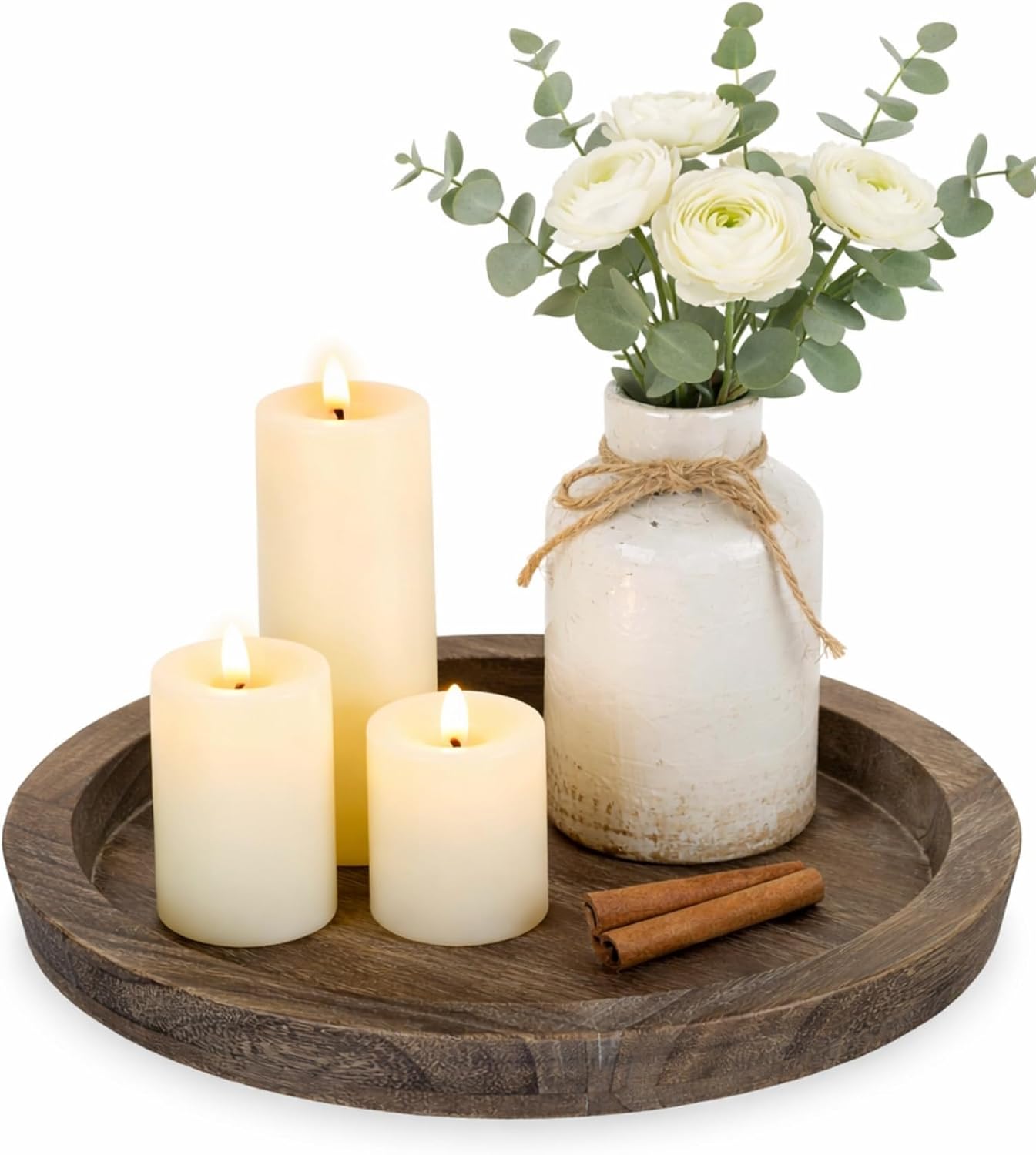
Candles add a softer layer of light that overhead fixtures cannot provide. Place a few candles in simple holders along the center of the table. Unscented candles are often the better choice during meals because strong fragrances can interfere with food aromas.
11. Built-In Dining Nook

A built-in bench can turn an unused corner into a comfortable dining area. Add cushions and a few pillows for extra softness. This setup is particularly useful in smaller homes because the bench can fit tightly against the wall.
12. Banquette Seating

Banquette seating creates a relaxed, restaurant-inspired feel while using space efficiently. Pair it with individual chairs on the opposite side of the table for a balanced arrangement that still feels casual.
13. Textured Curtains

Curtains can make a dining room feel softer and more finished. Linen-look, cotton, or lightly woven fabrics work well because they add texture without making the space feel heavy. Hang them close to the ceiling to give the room a taller appearance.
14. Earthy Accent Colors

Warm terracotta, olive green, rust, caramel, and muted mustard can add character to a neutral dining room. Use these colors through chairs, artwork, table linens, or small accessories rather than covering every surface.
15. Indoor Plants

A few plants can bring life and freshness to the dining area. Place a larger plant in an empty corner or use a small plant as a table centerpiece. Choose varieties that suit the room’s natural light and require maintenance you can realistically manage.
16. Fresh Branches

You do not always need flowers for an attractive centerpiece. A simple arrangement of leafy or bare branches in a ceramic vase can create an understated, organic look. It also adds height without filling the entire table.
17. Rustic Ceramic Tableware

Handmade-looking plates, stoneware bowls, and ceramic serving pieces make everyday meals feel more relaxed. Slight variations in shape or glaze can add visual interest without requiring elaborate decoration.
18. Round Dining Table

A round table can make conversation easier because everyone sits within a more connected arrangement. It is also useful in compact rooms where sharp table corners can interrupt movement.
19. Curved Furniture

Curved-back chairs, rounded tables, and arched furniture details can make a dining room feel softer. These shapes work especially well when the rest of the room contains straight lines and rectangular furniture.
20. Open Shelving

Open shelves can provide storage while also giving you space to display attractive dishes, ceramics, books, or baskets. Keep the arrangement selective so the shelves feel curated rather than crowded.
21. Vintage Furniture

A vintage cabinet, dining chair, mirror, or side table can add character that matching furniture sometimes lacks. Mixing one older piece with contemporary furniture keeps the room personal without making it feel dated.
22. Warm Wood Accents
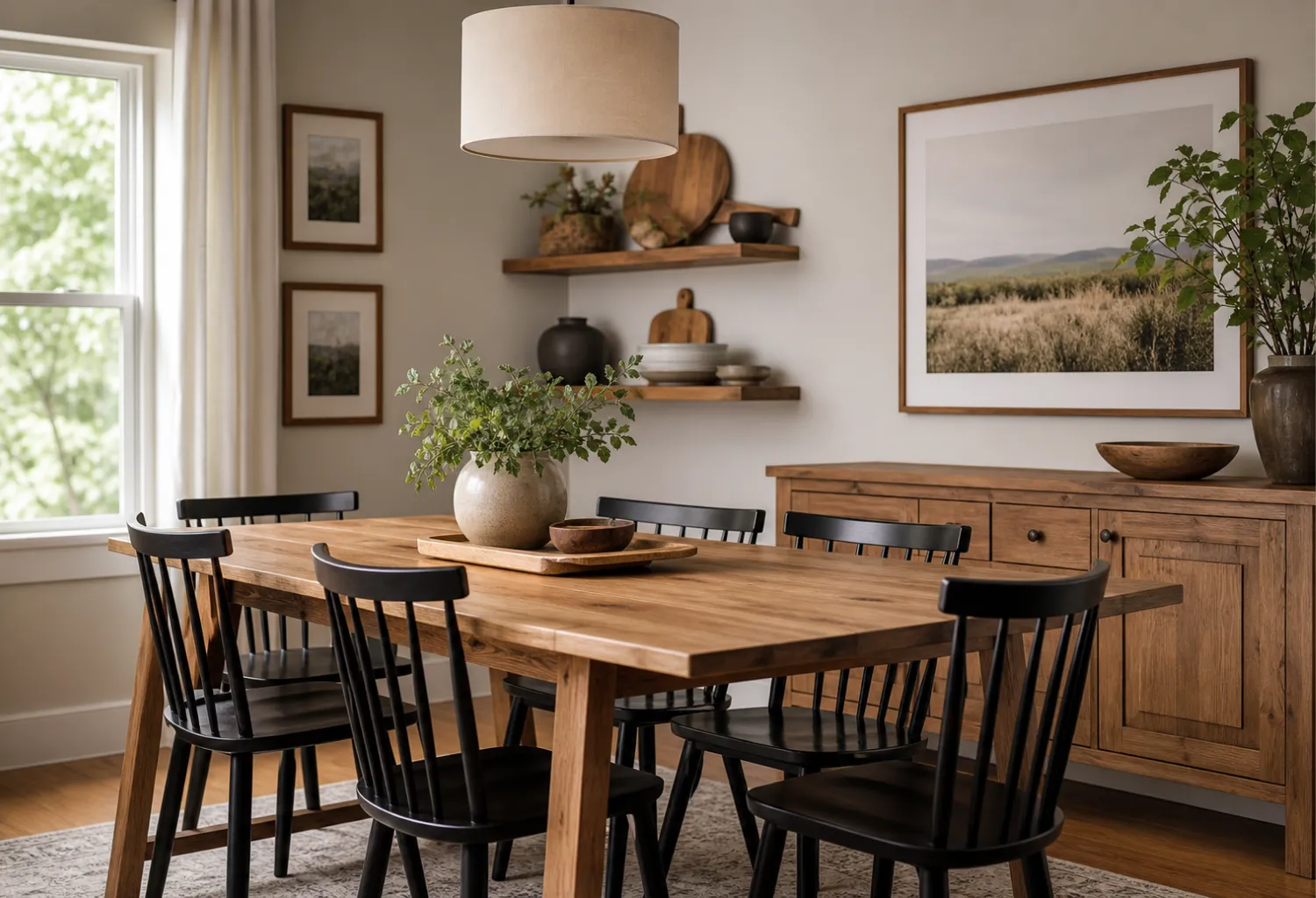
Even if your dining table is not wooden, you can introduce warmth through picture frames, serving boards, shelving, or a wooden sideboard. Repeating the same wood tone in small places helps the room feel visually connected.
23. Comfortable Table Centerpiece

A centerpiece should look attractive without taking over the table. Try a low vase, shallow bowl, small collection of ceramics, or a simple arrangement of greenery. Keep the height low enough that people can comfortably see across the table.
24. Decorative Sideboard

A sideboard adds useful storage and gives you another surface for decorating. Use it for dinnerware, linens, or serving pieces, then style the top with artwork, a lamp, a vase, or a small collection of meaningful objects.
25. Soft Table Lamp

If your layout allows it, a table lamp on a sideboard can provide a warm secondary light source. Choose a fabric shade or another softly diffusing material to avoid creating harsh light during evening meals.
26. Cozy Dining Corner

A small corner does not need a full dining set to become useful. A compact round table, two comfortable chairs, a rug, and wall art can create an inviting breakfast or coffee area without overwhelming the room.
27. Mix-and-Match Chairs
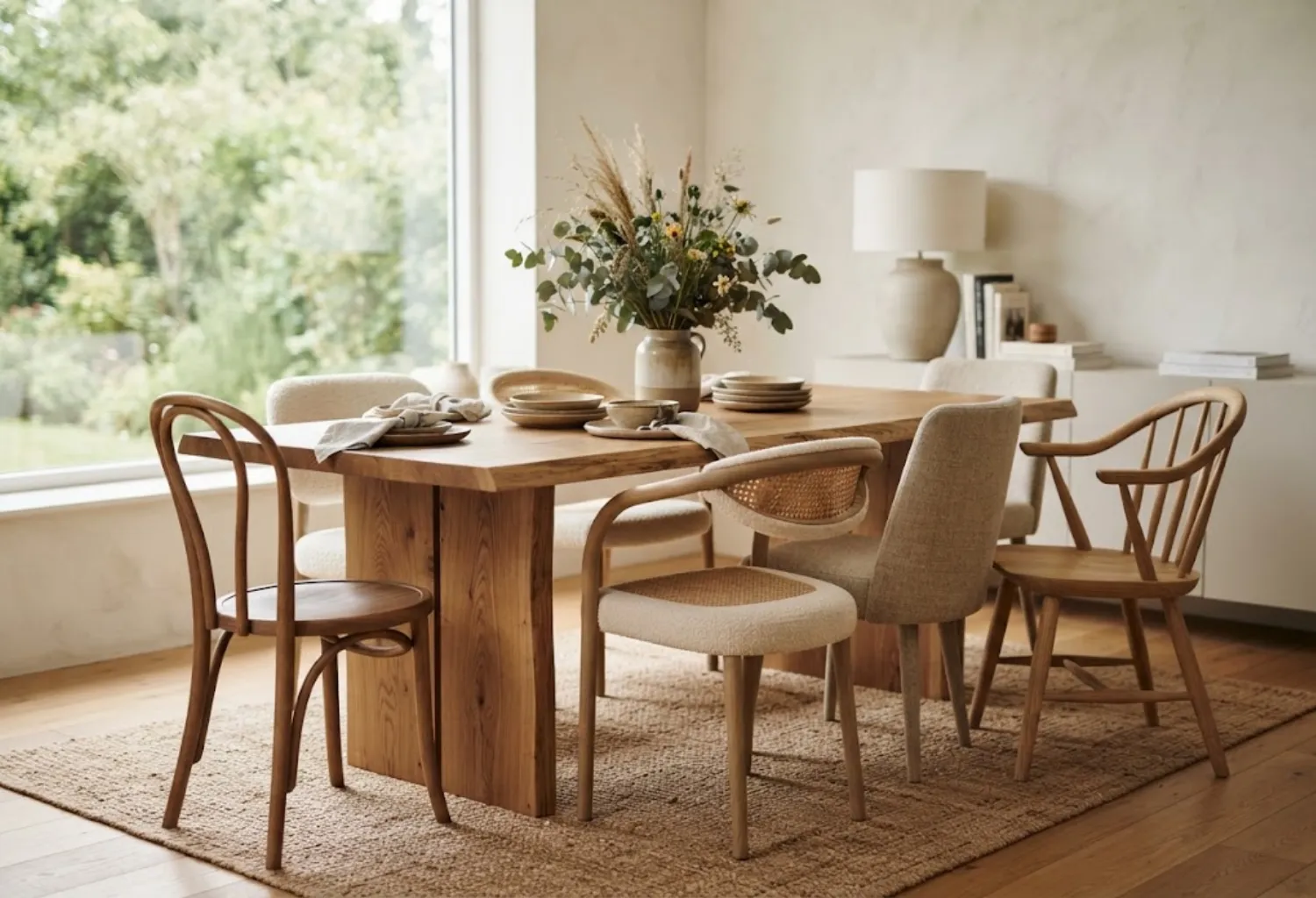
Dining chairs do not have to match perfectly. You can use the same chair on most sides and add two different end chairs for contrast. Keep at least one element consistent, such as color, material, or overall shape.
28. Natural Stone Details

Marble, travertine, limestone, and other stone surfaces can add an earthy sense of texture. A stone bowl, serving board, lamp base, or small accent table is enough to introduce the material without making the room feel overly formal.
29. Seasonal Table Decor

Small seasonal changes can refresh the dining room without replacing major furniture. In autumn, try dried foliage and warm-toned linens. For spring, lighter textiles and fresh greenery can make the same room feel brighter.
30. Personal Decorative Pieces

The coziest dining rooms usually include something personal. Display a favorite ceramic piece, inherited serving dish, travel find, framed photograph, or handmade object. These details give the room a lived-in quality that perfectly matched accessories cannot recreate.
Conclusion
The best Cozy Dining Room Decor does not require a complete makeover. Start with the elements that change the atmosphere most: warm lighting, comfortable seating, natural textures, a practical rug, and a simple centerpiece. Then add personal details gradually. A welcoming dining room should feel comfortable enough for everyday meals and special gatherings alike.