
35 Small Living Room Ideas to Maximize Space and Style
A small living room doesn’t have to feel cramped. It doesn’t have to feel cluttered either. With the right layout, furniture, and color choices, a tiny space can feel open and inviting. These small living room ideas come from real rooms and real design principles, not guesswork. You’ll find layout tricks, furniture picks, storage hacks, color strategies, and styling tips that actually work in tight footprints.
Whether you rent a studio apartment or own a cozy starter home, these ideas fit your space. Let’s walk through what makes small rooms different, then dive into specific strategies you can use today.
What makes small living room design different
Small rooms come with their own set of rules. What works in a large living room often backfires in a tight one. Understanding the core challenges helps you avoid common mistakes.
Traffic flow matters more in small spaces. Every piece of furniture affects how people move through the room. Furniture scale also plays a bigger role. An oversized sofa can swallow a small room whole. Visual weight matters too. Dark, bulky pieces make a room feel smaller than it is. And storage becomes critical, since small rooms rarely have extra space to spare.
Good small-space design leans on a few core principles. Scale and proportion keep furniture in balance with the room. Clear sightlines make the space feel open. Multi-functional pieces do double duty without adding bulk. Keep these principles in mind as you read on.
Small living room layout ideas
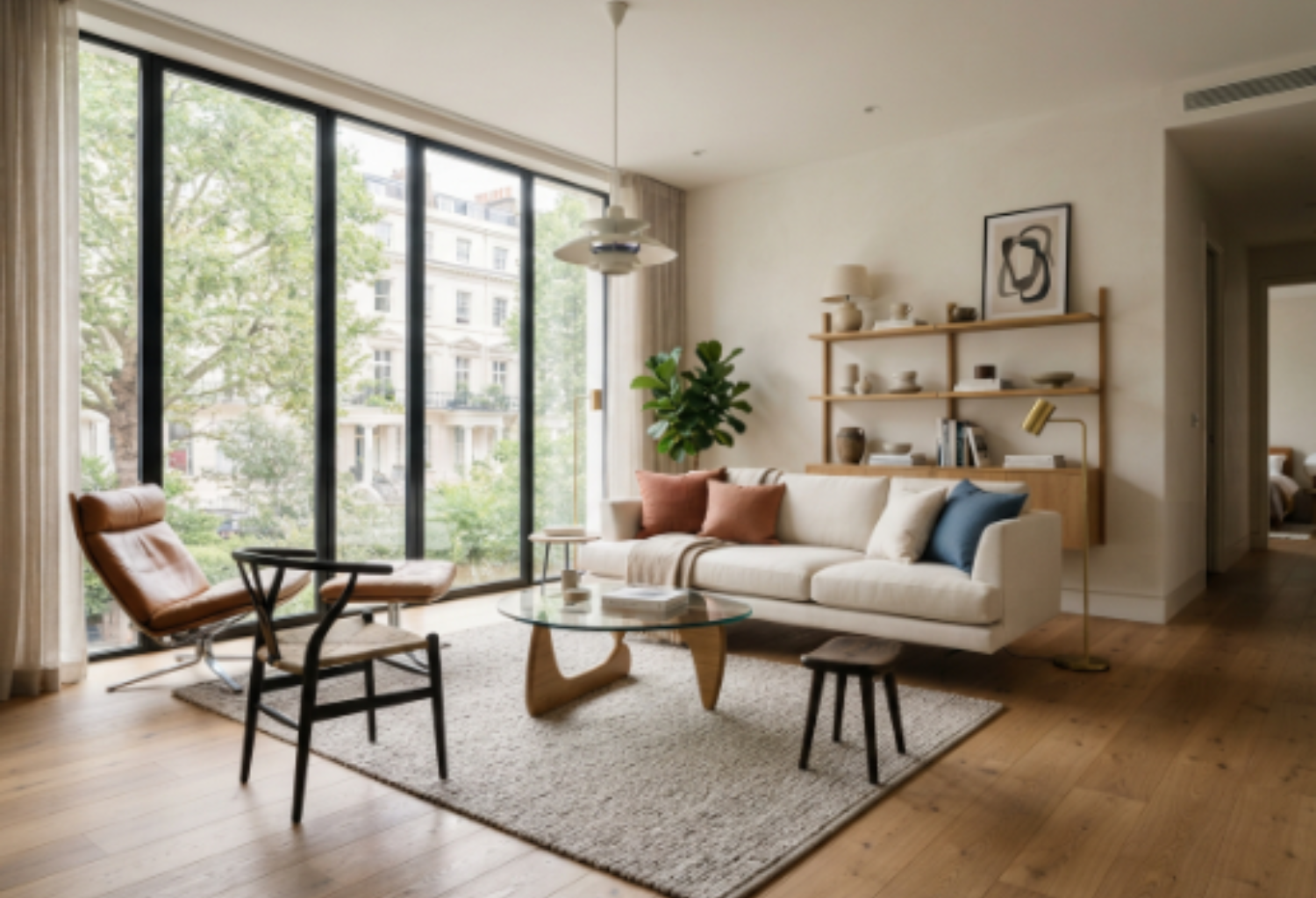
Layout is where small living room design starts. Get this right, and everything else falls into place.
Float furniture away from walls (when it works)
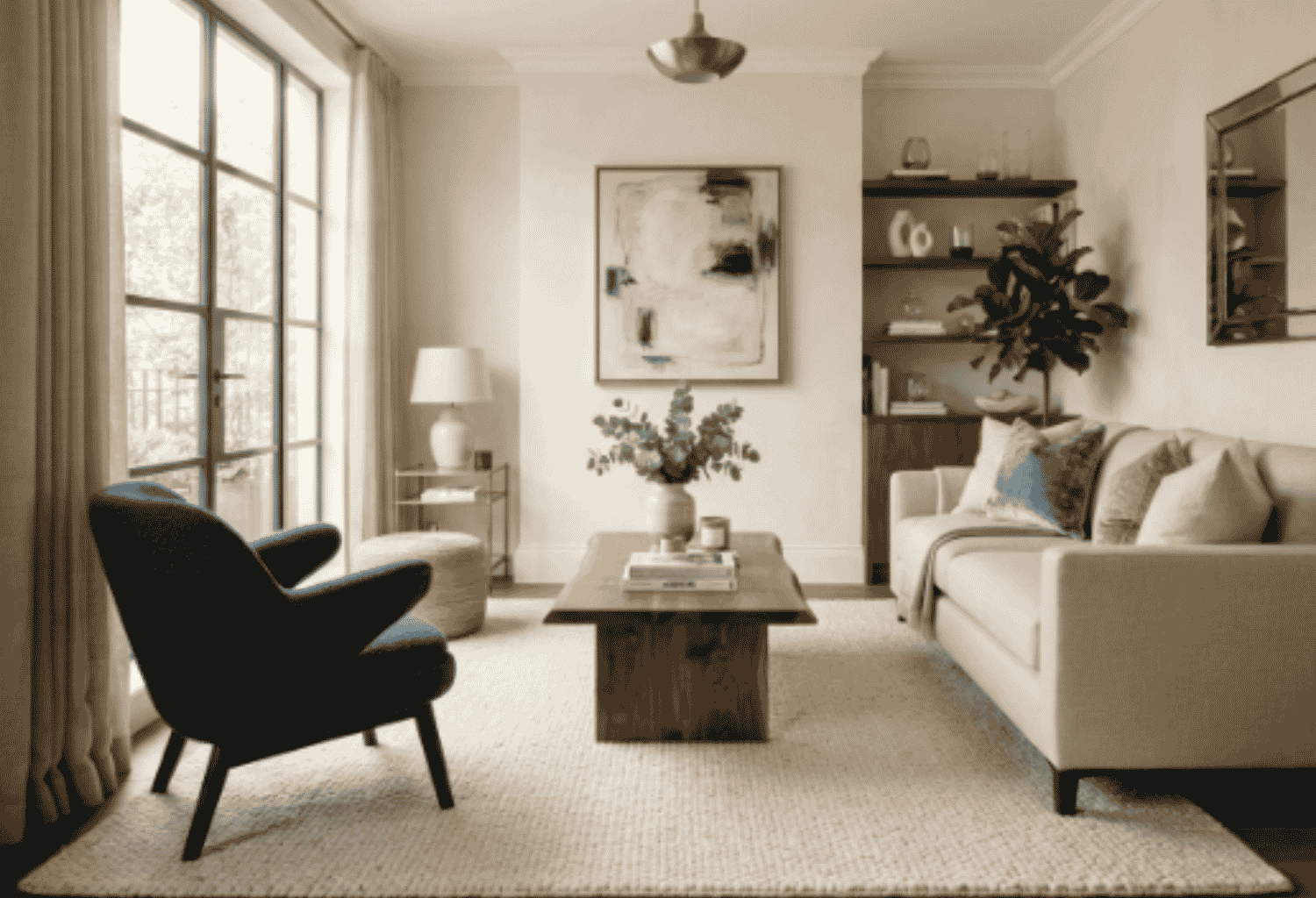
Pushing every piece against the wall seems logical. It often makes a room feel less inviting. Floating a sofa a few inches from the wall creates breathing room. It also opens up better conversation angles. This trick works best in rooms with at least ten feet of width. In tighter spaces, a few inches still helps.
Anchor the room with a rug
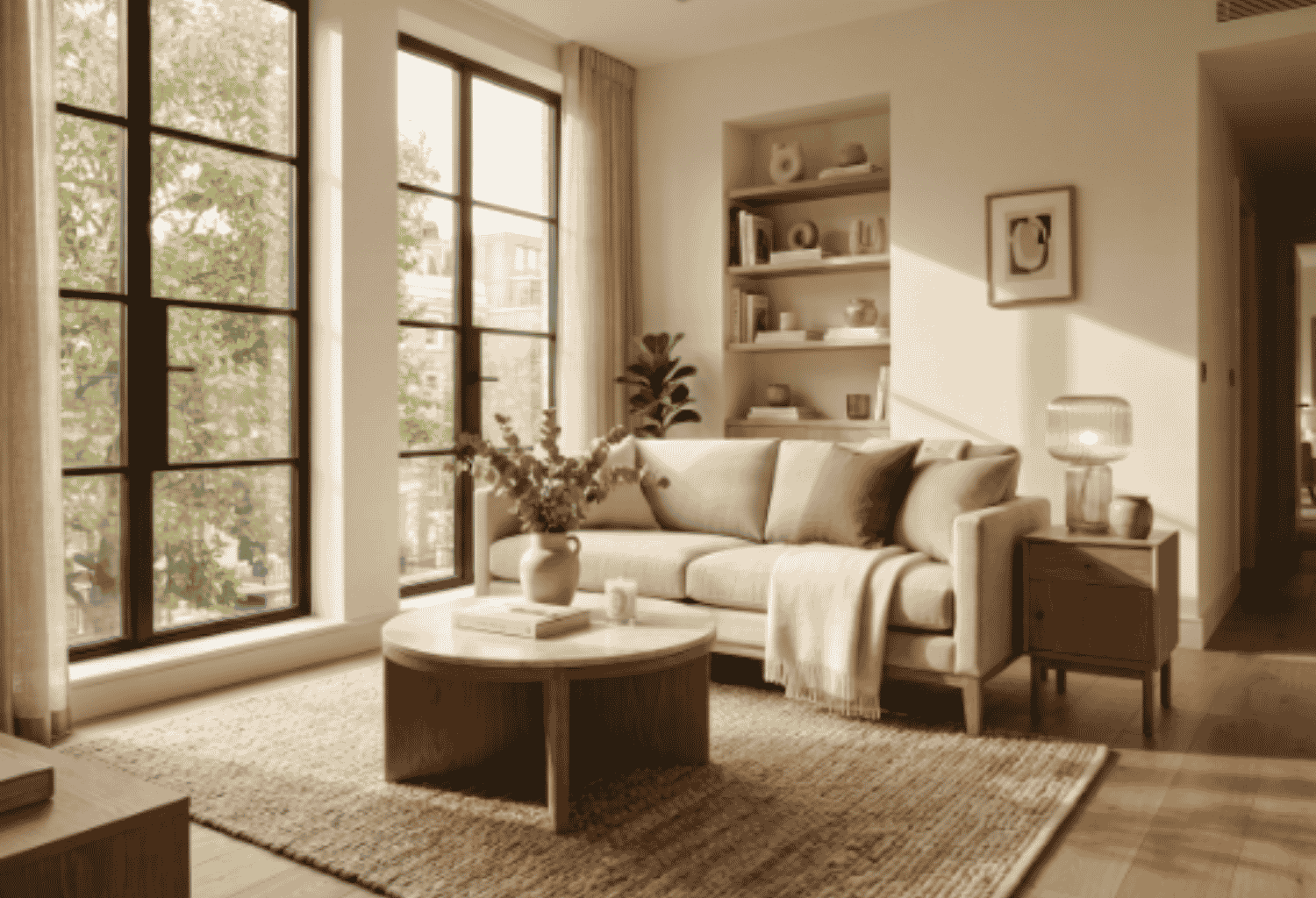
A rug ties furniture together visually. It also defines the seating area within an open space. Choose a rug large enough for at least the front legs of your furniture to rest on it. A too-small rug makes the whole room feel disjointed. Go bigger than you think you need.
Create conversation zones instead of one big grouping
One large furniture cluster can feel heavy in a small room. Instead, break the space into smaller zones. A loveseat and two chairs facing each other works well. Add a small side table between them. This approach makes the room feel more functional and less crowded.
Furniture placement for awkward layouts
Corner rooms, narrow rectangles, and open-concept spaces each need their own approach. In a corner room, angle a sectional to soften hard lines. In a narrow rectangle, run furniture along the long wall instead of across it. In open-concept spaces, use a rug or a low bookshelf to define the living area without blocking sightlines.
Furniture ideas for small living rooms
Once your layout is set, furniture choices come next. The right pieces make a small room feel intentional, not squeezed.
Choosing the right sofa size and shape
Loveseats and apartment-size sofas are built for smaller footprints. Look for options under 70 inches wide. Armless designs also help, since they take up less visual space. Measure your doorway before buying, too. A sofa that won’t fit through the door does you no good.
Multi-functional furniture
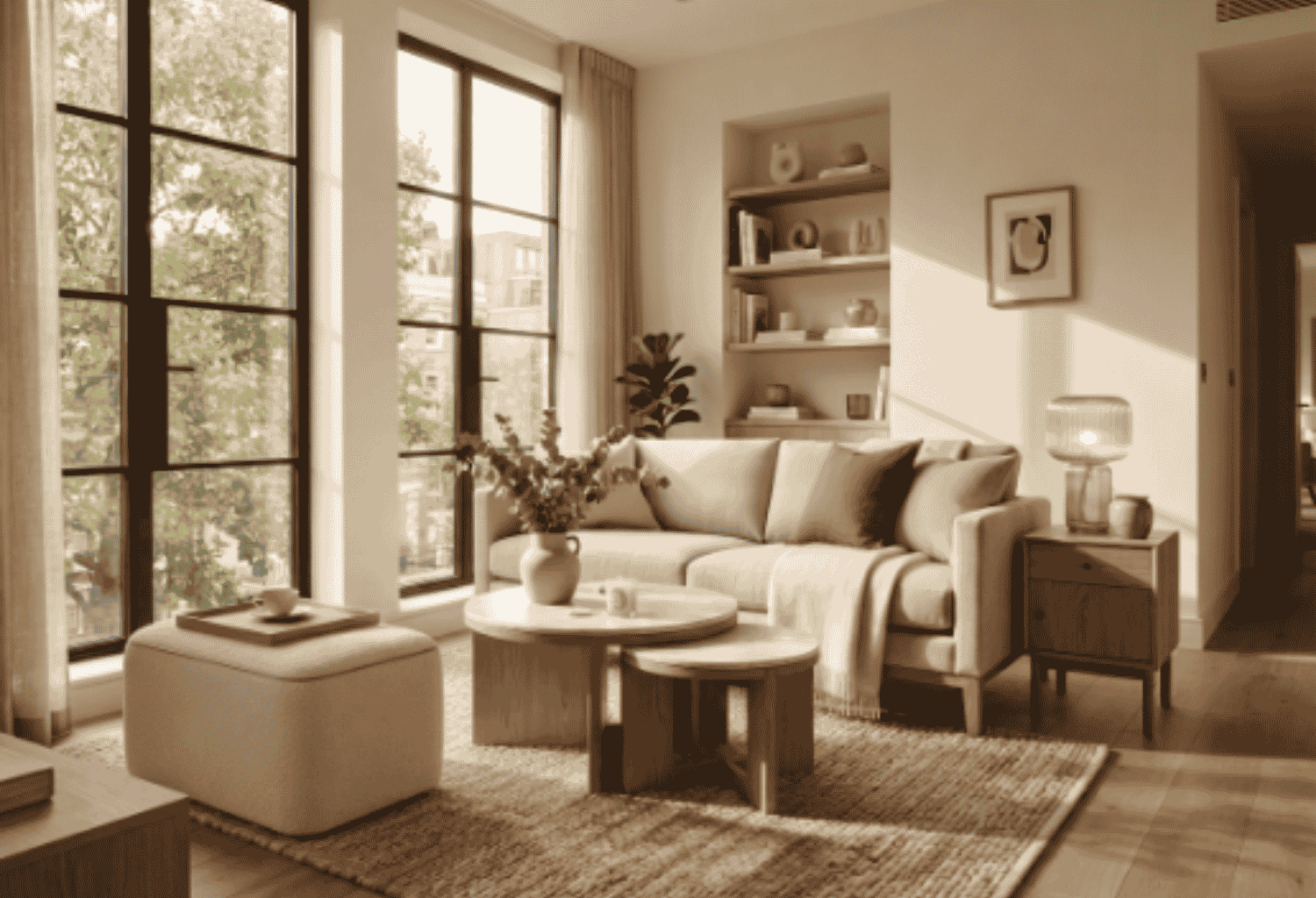
Storage ottomans double as seating and a coffee table. Nesting tables tuck away when you need more floor space. A sofa bed handles overnight guests without a dedicated guest room. These pieces earn their keep in a small living room.
Furniture with visible legs
Furniture with exposed legs lets light pass underneath it. This creates what designers call visual breathing room. A sofa or chair with raised legs feels lighter than one that sits flush on the floor. It’s a small detail with a big visual payoff.
Scaling coffee tables and accent chairs correctly
An oversized coffee table can block traffic flow instantly. Choose one proportional to your sofa, usually about two-thirds its length. Accent chairs should follow the same logic. Slim profiles and lower backs keep the room feeling open.
Small living room storage solutions
Storage is often the biggest challenge in a small living room. These strategies make the most of every inch.
Vertical storage
Tall bookshelves draw the eye upward, which makes ceilings feel higher. Wall-mounted units free up floor space entirely. Both options store plenty without crowding the room. Think up, not just out.
Hidden storage furniture
Ottomans, storage benches, and coffee tables with drawers hide clutter in plain sight. These pieces keep everyday items close without leaving them visible. They’re especially useful in rooms that double as guest spaces.
Built-ins and floating shelves
Built-in shelving uses awkward corners and nooks efficiently. Floating shelves add storage without eating into floor space. Both options look intentional rather than makeshift, especially when styled with a few curated items.
Decluttering strategies specific to small spaces
Small rooms show clutter faster than large ones. A simple rule helps: one surface, one purpose. Keep coffee tables clear except for a tray or a small stack of books. Rotate decor seasonally instead of displaying everything at once.
Color and paint ideas to make a small living room feel bigger
Color has real power over how a room feels. The right palette can make a tiny room read as airy and open.
Light vs. dark walls — when each works
Light walls reflect more light, which generally makes rooms feel larger. But dark walls can work too, especially with good lighting and minimal furniture. A moody, cocoon-like small room can feel intentional rather than cramped. Choose based on natural light levels first.
Monochromatic color schemes
Sticking to one color family removes visual breaks. This creates a sense of flow from floor to ceiling. Vary the shades and textures within that palette to keep things interesting. A monochromatic room never has to feel flat.
Using color to define zones
In open-concept spaces, color can mark where the living room ends. A different wall shade or a bold rug signals a shift in function. This trick works especially well in studio apartments.
Accent walls in small spaces
An accent wall can add depth without overwhelming a small room. Choose the wall opposite the entry for the biggest impact. Avoid accent walls with busy patterns in already-tight spaces. Keep the rest of the room simple to balance it out.
Lighting ideas for small living rooms
Lighting shapes how a room feels day and night. Small rooms benefit from a layered approach.
Layered lighting
Combine ambient, task, and accent lighting for the best result. Overhead light covers the whole room. Task lighting supports reading or working. Accent lighting, like a small table lamp, adds warmth and depth.
Mirrors and reflective surfaces
Mirrors bounce light around a room, making it feel larger. Place one across from a window for the best effect. Glossy or metallic decor accents help too, reflecting light in smaller doses throughout the room.
Best lamp styles for small footprints
Slim floor lamps take up little floor space while adding height. Wall sconces free up surface space entirely. Choose lamps with narrow bases to avoid crowding side tables or corners.
Small living room decor and styling tips
Decor pulls the whole room together. In small spaces, every choice carries more visual weight.
Choosing art and wall decor at the right scale
One large piece of art often works better than several small ones. Small, scattered pieces can make walls feel busy. A single statement piece adds impact without visual clutter.
Curtains and window treatments that add height
Hang curtains close to the ceiling instead of just above the window. This trick draws the eye upward, making ceilings feel taller. Choose curtains that just skim the floor for a polished look.
Textiles and layering without adding clutter
A throw blanket and a couple of pillows add texture without overwhelming a room. Stick to two or three textiles per seating piece. Layering works best when it stays simple.
Plants and greenery for small spaces
Tall, narrow plants add life without taking up much floor space. A plant in a corner fills an awkward gap nicely. Hanging plants work well too, adding greenery without touching the floor at all.
Small living room ideas by style
Small living rooms can reflect any style you love. Here’s how a few popular looks translate to compact spaces.
Small modern living room ideas
Modern style leans on clean lines and minimal clutter, which suits small rooms well. Stick to a neutral palette with one or two bold accents. Keep furniture low-profile and simple.
Small farmhouse living room ideas
Farmhouse style works in small spaces through light woods and soft, warm tones. Choose furniture with simple silhouettes instead of heavily carved pieces. A woven rug adds texture without bulk.
Small boho living room ideas
Boho style thrives on layered textiles and natural materials. In a small room, choose one or two statement textiles instead of layering everything. Rattan and wood accents keep the look grounded, not cluttered.
Small minimalist living room ideas
Minimalist design suits small rooms naturally. Choose a few well-made pieces instead of many decorative items. Keep the color palette tight and let negative space do the work.
Small living room mistakes to avoid
A few common mistakes can undo even the best small living room plan. Watch for these.
Oversized furniture overwhelms a small room fast. Measure before you buy anything. Too many small accents create visual clutter, even when each piece is nice on its own. Ignoring vertical space wastes valuable storage and visual opportunity. And poor lighting choices leave a small room feeling flat and dim, no matter how well it’s decorated.
Frequently asked questions
How do you make a small living room look bigger? Use light colors, mirrors, and furniture with visible legs. Keep clutter to a minimum and draw the eye upward with tall shelving or high curtains.
What color should I paint a small living room? Light, warm neutrals generally make small rooms feel larger. Soft whites, warm grays, and light greiges all work well. Dark colors can work too, with the right lighting and a minimal layout.
What size sofa is best for a small living room? A loveseat or apartment-size sofa under 70 inches wide usually fits best. Choose an armless design if floor space is especially tight.
Should you put a rug in a small living room? Yes, a rug anchors the seating area and adds warmth. Choose one large enough for your furniture’s front legs to rest on it.
Conclusion
A small living room can feel just as stylish and comfortable as a large one. The key lies in smart layout choices, proportional furniture, and a color palette that opens up the space. Add layered lighting and a few well-chosen decor pieces, and the room comes together.
Try a few of these small living room ideas in your own space. Mix and match based on your style and your room’s specific quirks. Pin your favorite tips for later, and check out more room-specific guides for additional inspiration.
